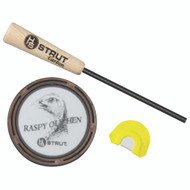
Turkey Calls Explained: How to Choose, Use, and Master Calls
Posted by Andy on Apr 7th 2026
Turkey Calls Explained: How to Choose, Use, and Master Every Call
If you want to become a better turkey hunter fast, there’s one skill that matters more than anything else:
Calling.
Not fancy calling.
Not loud calling.
Realistic calling.
This guide breaks down every major turkey call, when to use them, and how to sound like a real hen — not a YouTube highlight reel.
The Goal of Turkey Calling
Before we talk gear, understand this:
You’re not trying to impress a gobbler.
You’re trying to:
-
Sound like a real hen
-
Create curiosity
-
Make him come looking
Most hunters mess up by trying to do too much.
Real hens are subtle, inconsistent, and quiet.
The 3 Core Turkey Calls Every Hunter Needs
You do NOT need a dozen calls.
Start with these three:
Box Call (Best for Beginners & Locating)
Why It Works:
-
Loud and sharp
-
Easy to learn
-
Great for striking gobblers at distance
When to Use It:
-
Early morning
-
Windy days
-
Covering ground (run-and-gun)
Basic Sounds:
-
Yelp (primary call)
-
Cutting (excited hen sounds)
Beginner Tip:
Keep it simple — smooth, even strokes make better yelps than aggressive jerks.
Slate (Pot) Call (Most Realistic Sound)
Why It Works:
-
Soft, natural tones
-
Extremely versatile
-
Deadly in close-range setups
When to Use It:
-
When a gobbler is within 100 yards
-
Finishing a bird
-
Calm mornings
Sounds to Master:
-
Soft yelps
-
Clucks
-
Purrs
Pro Tip:
Light pressure = softer, more realistic tones.
Diaphragm (Mouth) Call (Hands-Free Advantage)
Why It Works:
-
Hands-free calling
-
Best for close encounters
-
Maximum control
When to Use It:
-
Final approach
-
When a gobbler is in sight
-
When you can’t move your hands
Challenge:
Steeper learning curve.
Why It’s Worth It:
Once mastered, it’s the most effective call you’ll own.
Call Sequences That Actually Work
Forget complicated routines.
Use these simple, deadly sequences:
The Basic Yelp Sequence (Go-To)
-
Yelp 3–5 notes
-
Wait 15-30 minutes
-
Repeat
This alone will kill birds.
The Excited Hen (To Fire Him Up)
-
Fast cutting (sharp clucks)
-
Follow with excited yelps
Use when:
-
He’s gobbling but not moving
-
You need to trigger competition instinct
The Soft Finish (Close Range)
-
Soft clucks
-
Purrs
-
Leaf scratching
This seals the deal inside 60 yards.
Matching Your Call to the Situation
Early Morning (On the Roost)
-
Tree yelps (soft)
-
Light clucks
Don’t overdo it — real hens are quiet at fly-down.
Fly-Down Time
-
Slightly more aggressive yelping
-
Occasional cutting
This is when gobblers decide where to go.
Mid-Morning (Deadly Window)
-
Soft, spaced-out calling
-
Let curiosity work
Many birds come in silent during this time.
Windy Conditions
-
Use a box call
-
Increase volume
Sound needs to carry.
Common Calling Mistakes
-
Calling too often
-
Calling too loud when bird is close
-
Trying to sound “perfect” instead of natural
-
Not adjusting to the bird’s mood
-
Panicking when he goes silent
Realism Beats Perfection
Here’s the truth:
A real hen doesn’t sound perfect.
She:
-
Misses notes
-
Changes rhythm
-
Goes quiet randomly
If you sound slightly imperfect but natural, you’ll kill more birds than someone trying to be flawless.
Practice Plan for Beginners
You don’t need months of training.
Start here:
-
Practice 10–15 minutes a day
-
Focus ONLY on yelps first
-
Add clucks after a week
-
Practice in your truck or at home
Consistency beats complexity.
Minimalist Call Setup (Recommended)
If you want to keep it simple:
-
1 box call
-
1 slate call
-
1 diaphragm
That covers:
-
Long distance
-
Mid-range
-
Close encounters
Anything more is optional.
Final Thoughts
Turkey calls don’t kill birds.
How you use them does.
Keep it simple:
-
Call less
-
Sound natural
-
Match the situation
-
Stay patient
And remember…
Sometimes the best call you can make is no call at all.